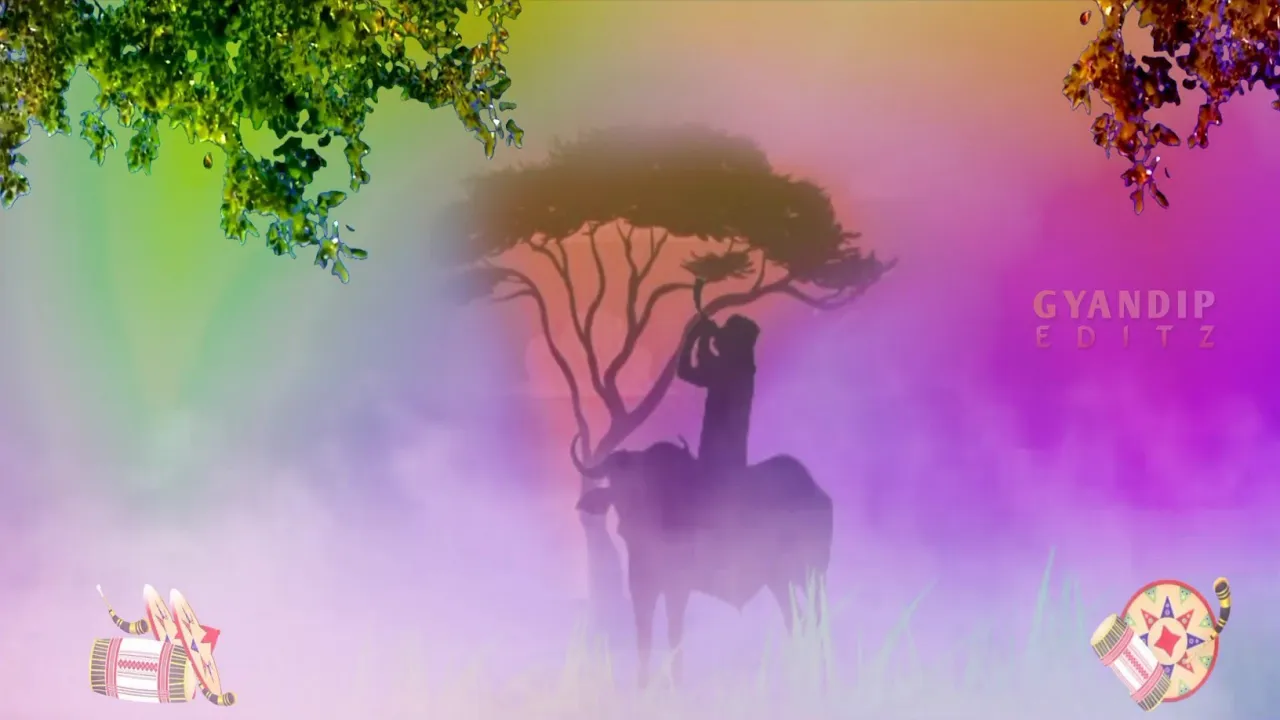
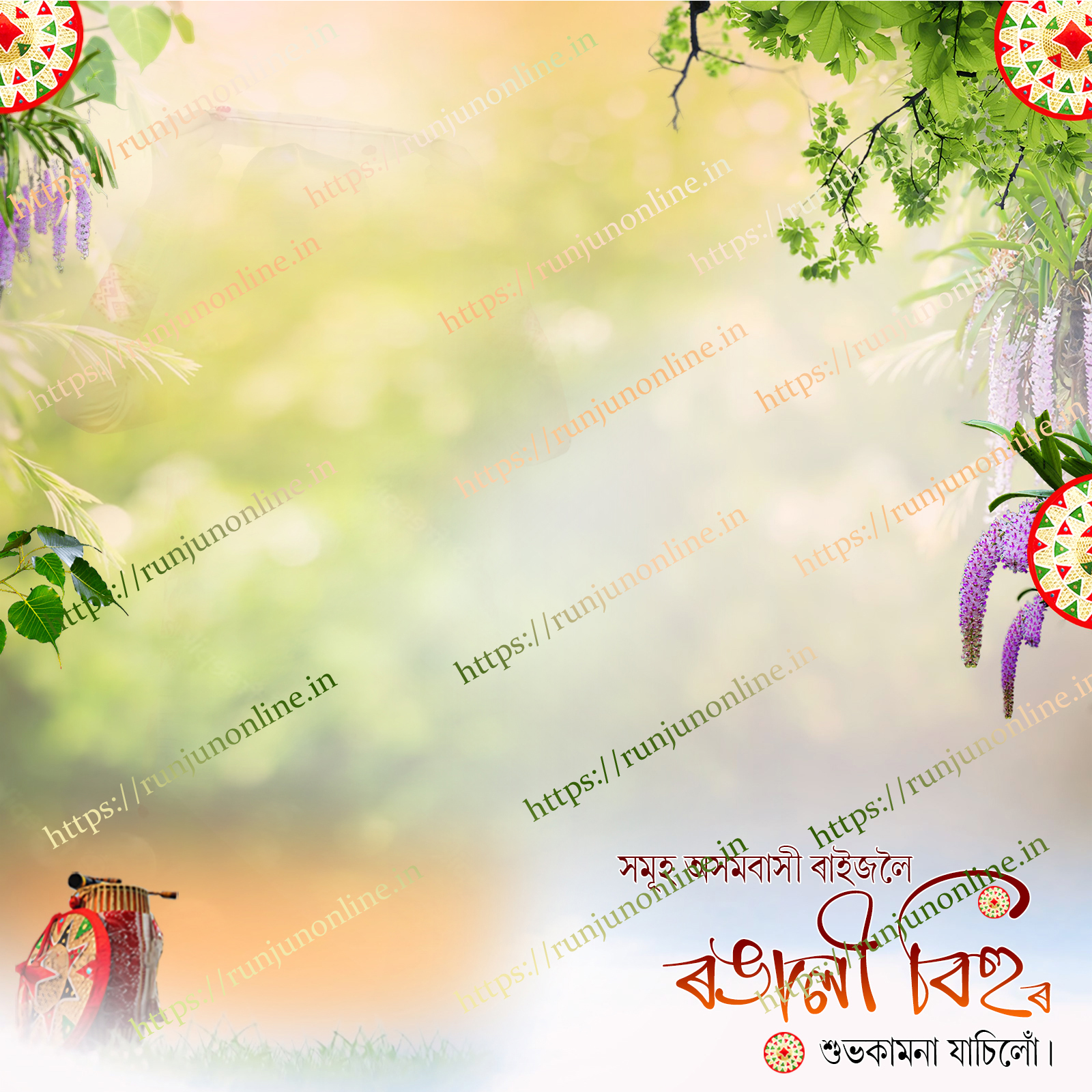
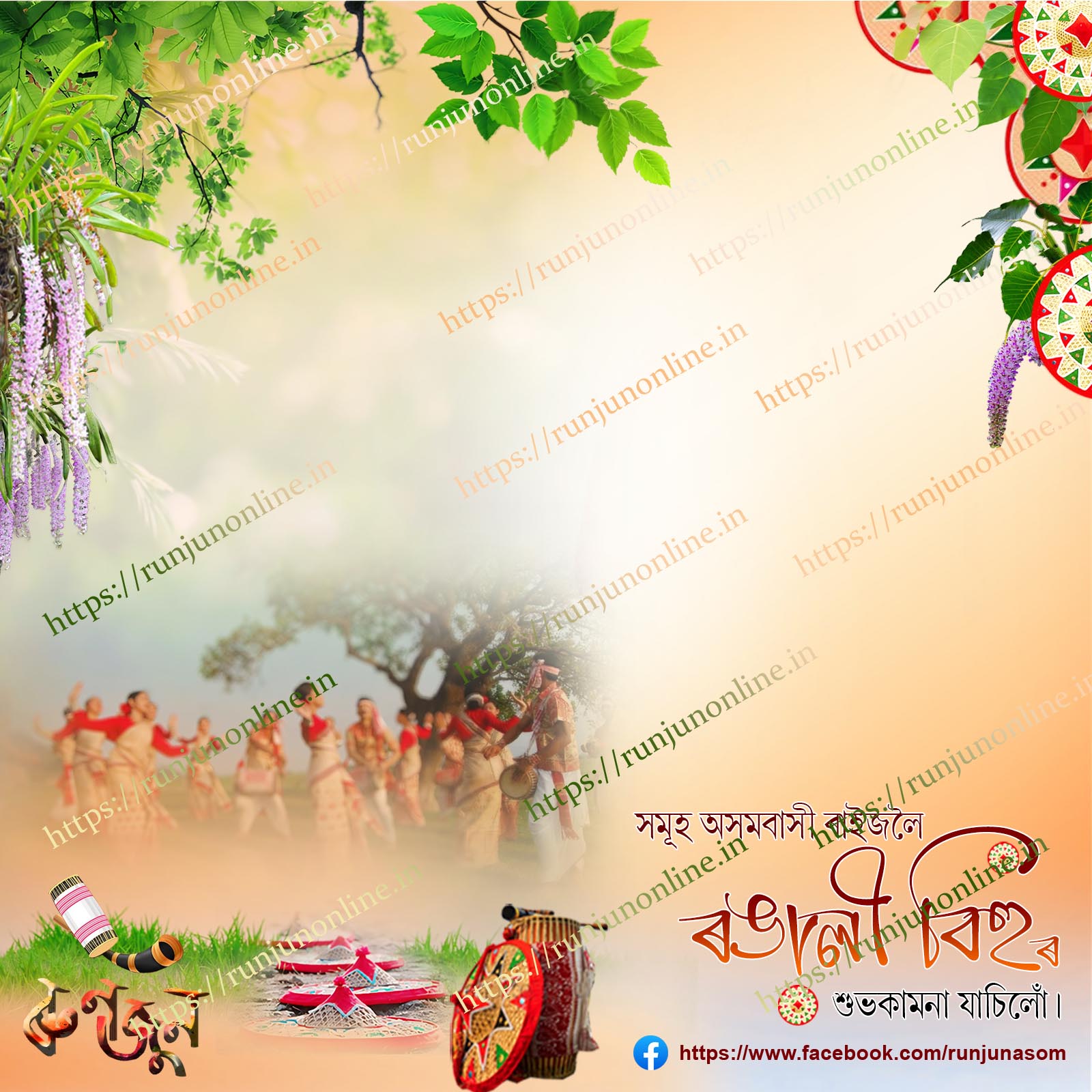
Bihu Background of Assam
Background editing is a popular technique used in graphic design and photography to enhance the appearance of an image. With the advancement of technology, it has become easier than ever for people to edit backgrounds and create stunning visuals. One tool that has gained popularity in recent years is PSD background editing. PSD, which stands for Photoshop Document, is a file format used by Adobe Photoshop to store layered images. It allows users to work with multiple layers, making it easier to edit specific elements of an image without affecting the rest. PSD background editing involves modifying or replacing the background layer of an image to create a new and improved visual. One of the main advantages of PSD background editing is its versatility. Whether you are a professional designer or someone who just enjoys creating visuals, you can use a PSD background file to enhance your own designs. These files often come with different elements such as textures, patterns, or gradients, which can be easily customized to suit your specific needs. When using a PSD background file, it is important to keep in mind the details of the image you are working with. Pay attention to the colors, lighting, and overall composition to ensure that the new background seamlessly integrates with the rest of the image. Experiment with different blending modes and opacity levels to achieve the desired effect. Public use of PSD background files has become increasingly popular in recent years. Many online platforms offer a wide range of free or paid PSD background files that can be downloaded and used for personal or commercial purposes. However, it is important to respect copyright laws and give credit to the original creators when using their files. If you are new to PSD background editing, there are plenty of tutorials and resources available online to help you get started. These tutorials often provide step-by-step instructions on how to use different tools and techniques to achieve specific effects. With a bit of practice and experimentation, you can quickly become proficient in creating stunning visuals using PSD background editing. When using PSD background files, it is also important to consider the file size and compatibility with your editing software. Some PSD files can be quite large, especially if they contain multiple layers or high-resolution elements. Make sure your computer has enough storage space and processing power to handle these files smoothly.
In conclusion, PSD background editing is a powerful tool that allows users to enhance their designs and create stunning visuals. Whether you are a professional designer or someone who enjoys creating visuals as a hobby, PSD background files can be a valuable resource. Just remember to respect copyright laws and give credit to the original creators when using their files. With practice and experimentation, you can quickly become proficient in using PSD background editing techniques to create visually appealing images.
Assam, the land of lush green tea gardens, mighty rivers, and vibrant cultures, is a state in northeastern India. Known for its rich heritage and diverse traditions, Assam has a unique culture that is deeply rooted in its history and geography. In this article, we will explore the background of Assam culture, focusing on its art, music, dance, festivals, and attire.
Art is an integral part of Assam culture, and it reflects the state’s deep connection with nature. Traditional Assamese art forms include pottery, weaving, and mask-making. Assamese pottery is known for its intricate designs and vibrant colors, often depicting scenes from daily life or religious motifs. Weaving is another significant art form, with Assam being famous for its silk production. The traditional Assamese saree, known as Muga silk, is a symbol of elegance and grace.
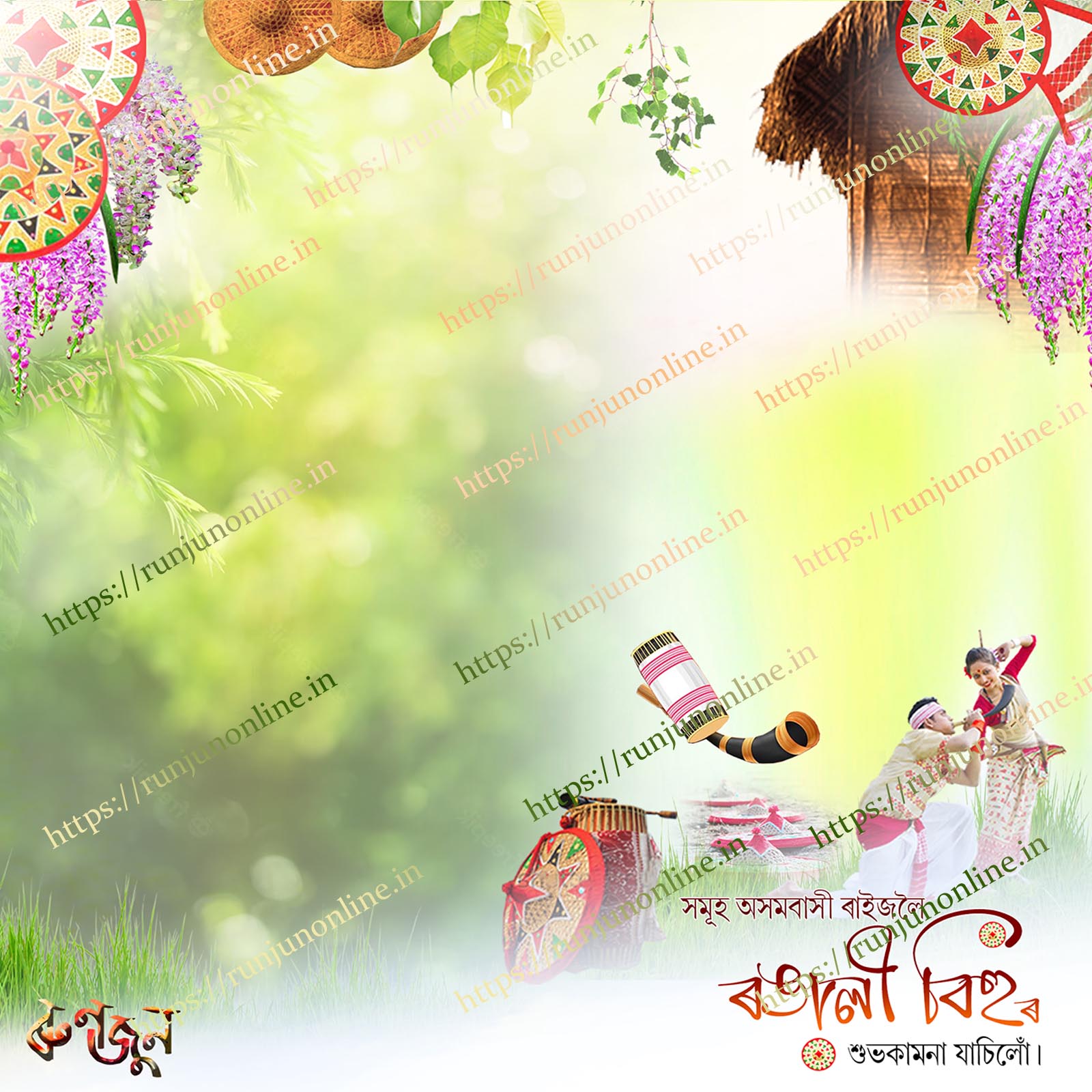
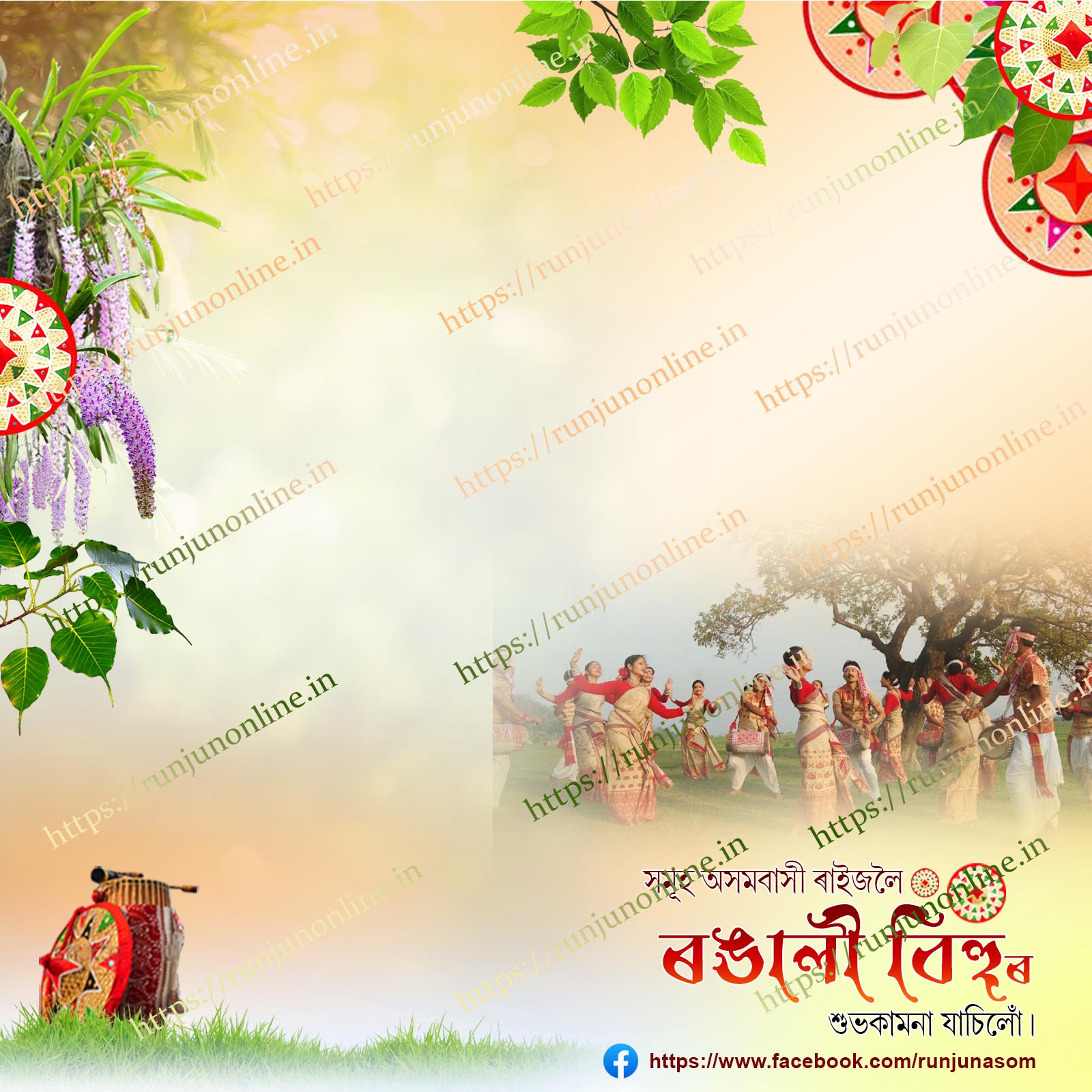
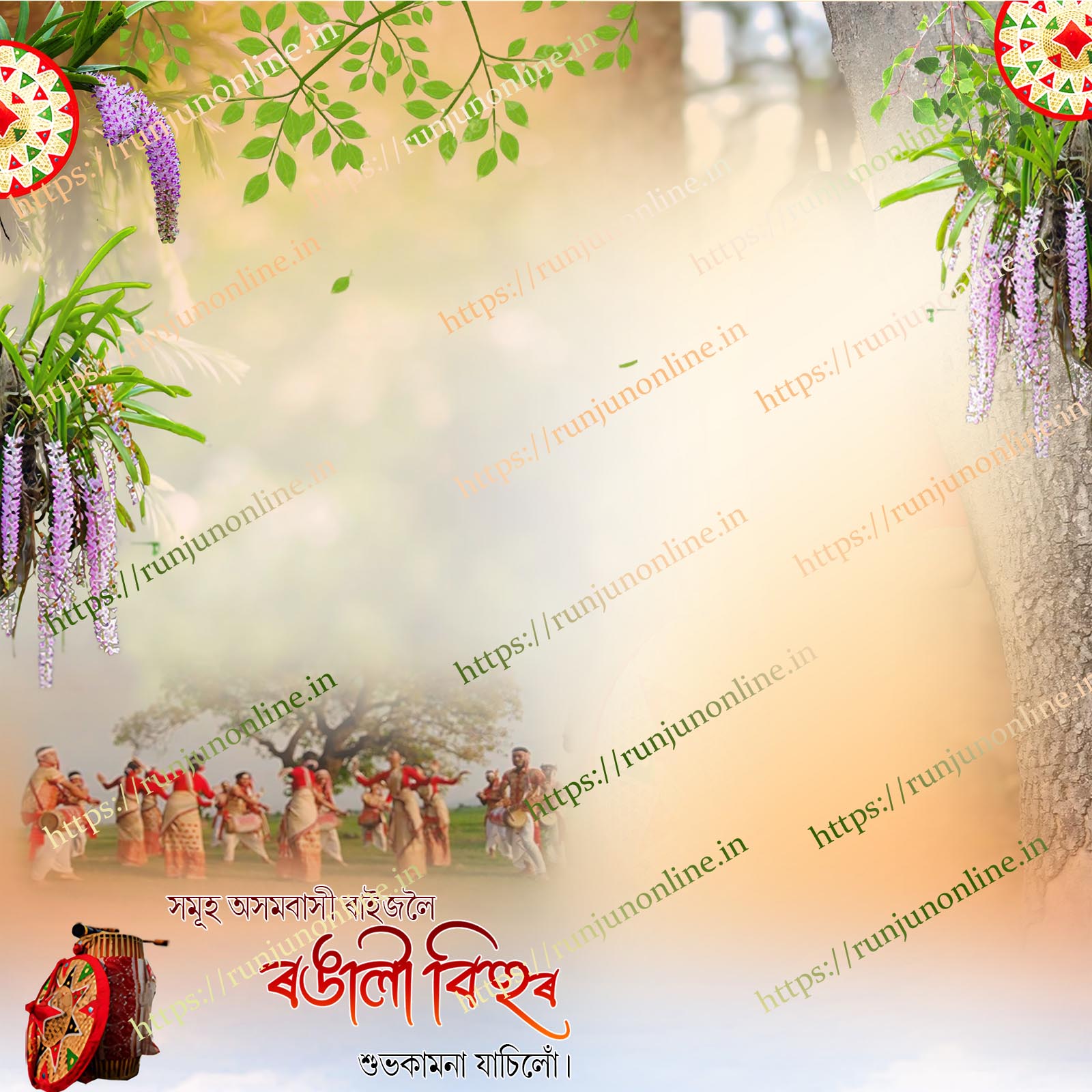
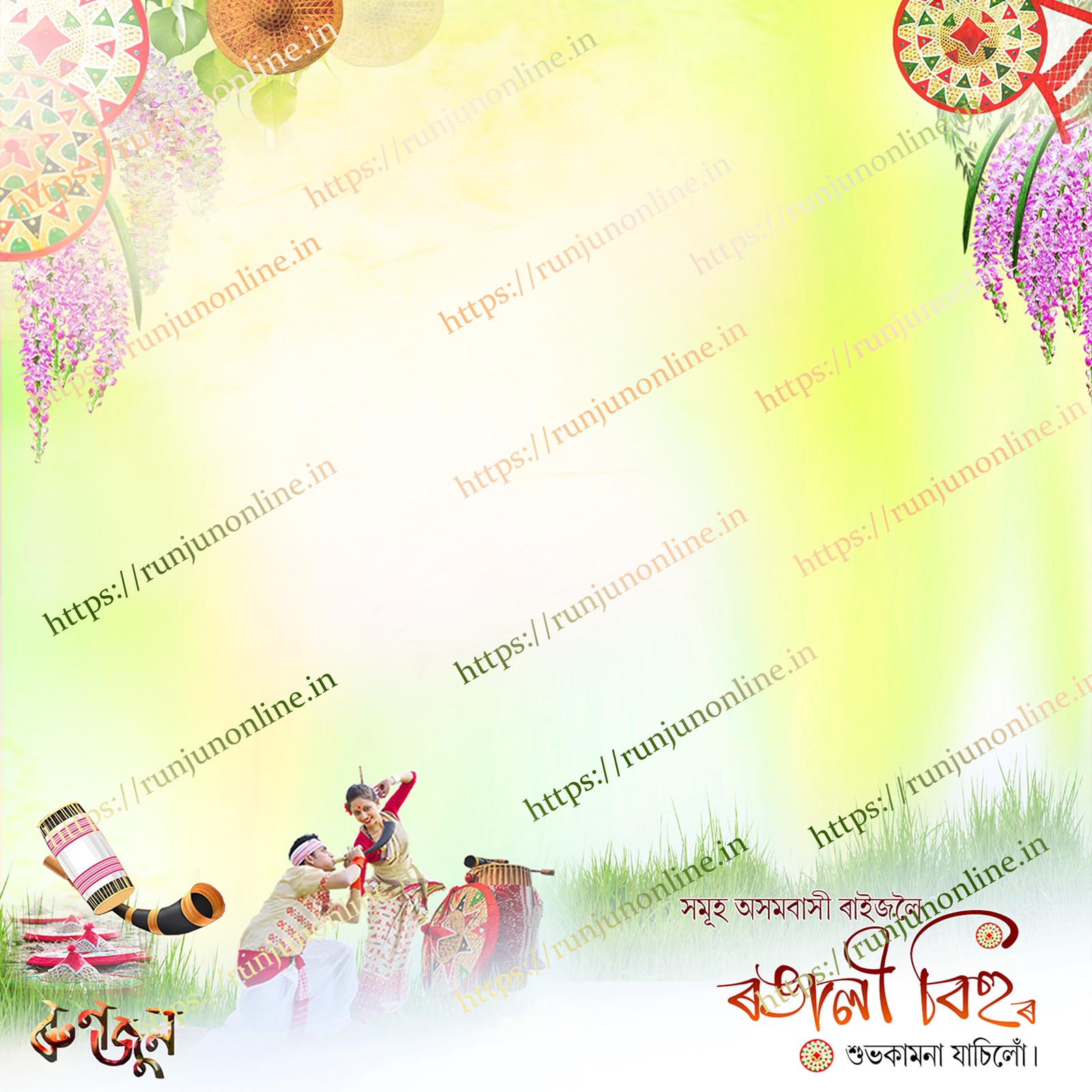
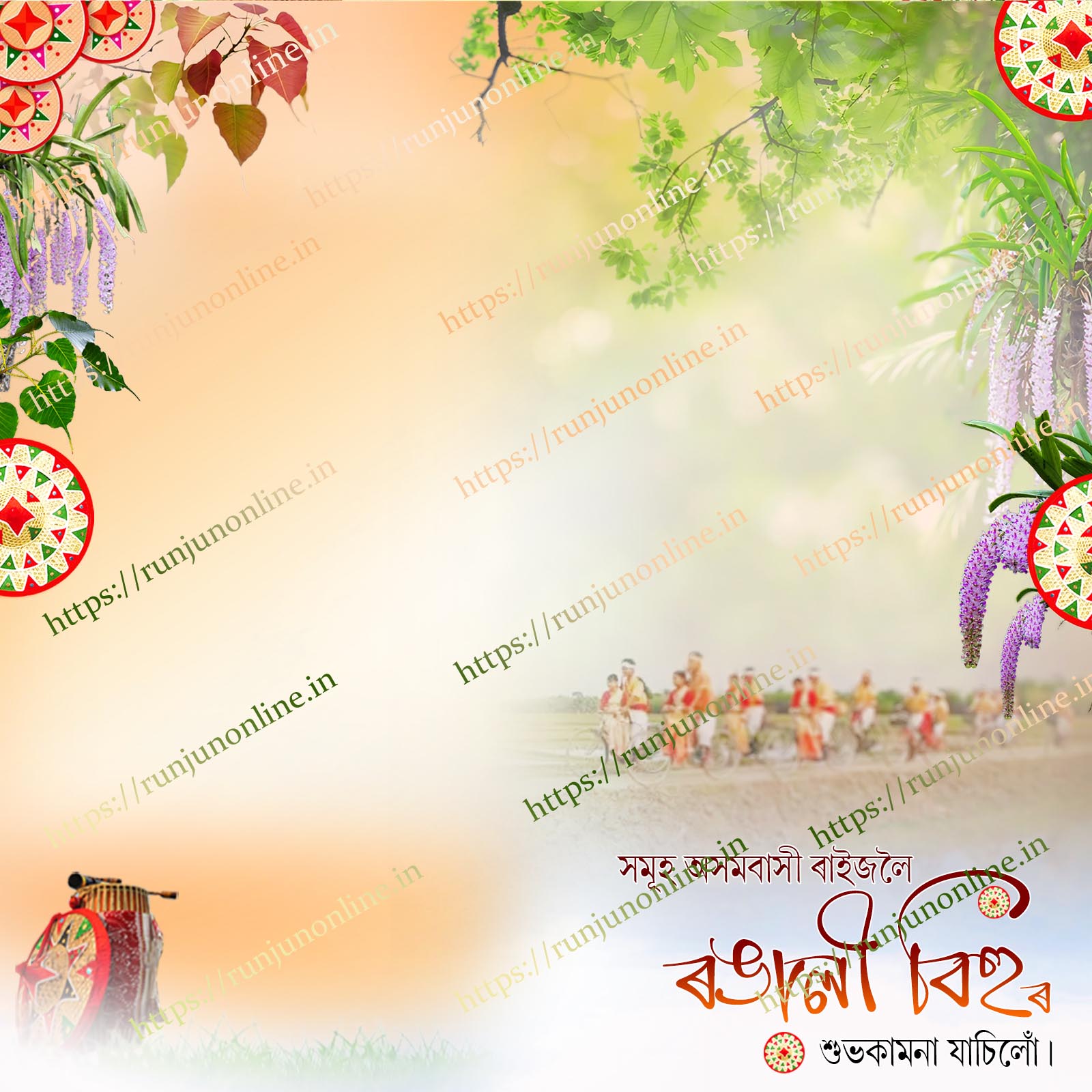
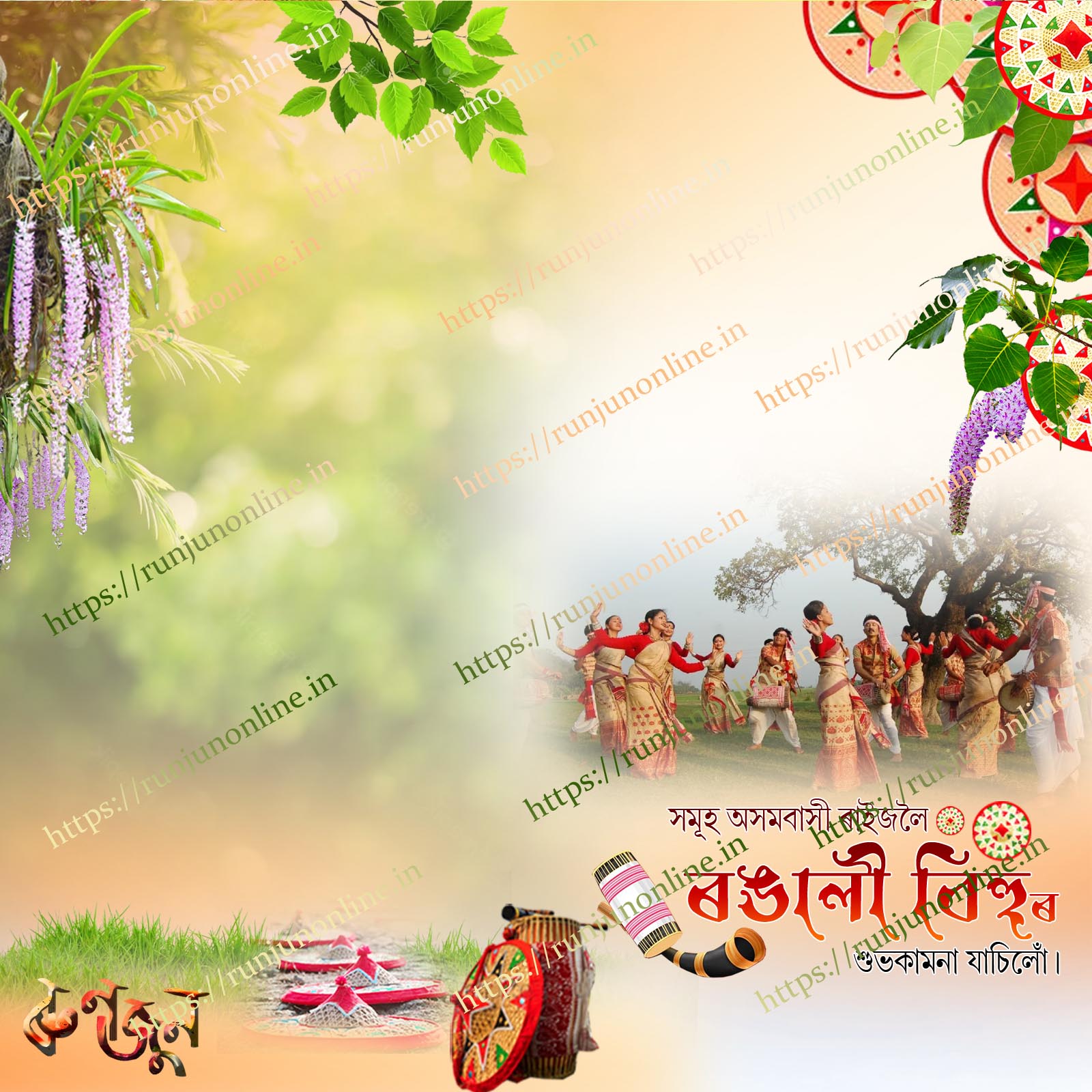
Music and dance play a vital role in Assam culture, with various forms showcasing the state’s vibrant spirit. Bihu, the most popular folk dance of Assam, is celebrated with great enthusiasm. It is performed during the Bihu festival, which marks the change of seasons. The rhythmic movements and energetic beats of Bihu dance bring people together, spreading joy and happiness.
The festivals of Assam are a true reflection of its cultural richness. Bihu, as mentioned earlier, is the most important festival, celebrated with three different variations – Rongali Bihu, Kongali Bihu, and Bhogali Bihu. Rongali Bihu, also known as Bohag Bihu, marks the beginning of the Assamese New Year and is a time of joyous celebrations, music, and dance. Kongali Bihu, observed during the autumn season, is a more somber affair, focusing on prayers and introspection. Bhogali Bihu, also called Magh Bihu, is a harvest festival, where feasts and bonfires are the highlights.
Assamese traditional attire is known for its simplicity and elegance. Women often wear the Mekhela Chador, a two-piece garment consisting of a wrap-around skirt and a shawl-like upper garment. The Mekhela Chador comes in various colors and designs, reflecting the vibrant culture of Assam. Men usually wear the traditional dhoti-kurta, which is a loose-fitting garment made of cotton or silk.
Assam culture is deeply connected to its natural surroundings, and this is evident in the lifestyle and traditions of the people. The people of Assam have a deep respect for nature and live in harmony with it. The mighty Brahmaputra River, which flows through the heart of Assam, plays a crucial role in the lives of the people. It is not only a lifeline for transportation and irrigation but also a source of inspiration for art, literature, and music.
In conclusion, Assam culture is a vibrant tapestry of art, music, dance, festivals, and attire. The rich heritage of Assam is reflected in its traditional art forms, such as pottery and weaving, and celebrated through festivals like Bihu. The simplicity and elegance of Assamese attire, along with the deep connection to nature, make it a truly unique culture. Assam’s culture is a testament to the rich diversity of India and serves as a reminder of the importance of preserving our cultural heritage for future generations.
-

- Bihu Background
-
- Bihu Background
-
- Bihu Background
-
- Bihu Background
-
- Bihu Background
-
- Bihu Background
-
- Bihu Background
-
- Bihu Background